Last Will Attorney in Jacksonville
A last will and testament does more than distribute assets. It names the person responsible for settling your estate, designates guardians for your children, and creates a clear legal record of your intentions. Without one, Florida’s intestacy laws decide those questions for you, and the results may not reflect what you wanted. At Edwards & Edwards, P.A., we draft wills as part of a full estate planning practice backed by over 65 years of combined legal experience in estate planning, probate, family law, business law, and real estate.
That cross-practice depth matters when you’re putting a foundational document in place. A will doesn’t exist in isolation; it interacts with your property titles, beneficiary designations, business ownership structure, and family circumstances. Because we handle all of those areas under one roof, our attorneys can account for how each piece fits together before the document is signed.
Ready to put a valid will in place? Call our Jacksonville attorneys at (904) 454-4881 to schedule a same-day or after-hours consultation.
What Edwards & Edwards, P.A. Addresses in Your Will
Every client’s situation is different. A will for a parent with young children looks different from one written for a business owner or someone in a second marriage. We focus on the decisions that actually matter for your circumstances.
Personal Representatives & Asset Distribution
We help you name a personal representative with clear authority and instructions for administering the estate after your death. We also draft specific bequests for named individuals or organizations, residuary estate directions, and testamentary trust provisions for beneficiaries who are minors or who need structured distributions over time.
Guardianship for Minor Children
Parents of minor children often treat this as the most important decision in the entire document. We help you designate a guardian and structure provisions for how assets are managed for your children over time, including coordination with any special needs planning so that public benefits aren’t disrupted.
Blended Families & Non-Traditional Arrangements
Florida’s intestacy rules can produce results that surprise blended families, leaving out stepchildren and unmarried partners entirely and dividing assets in ways that don’t reflect your intentions when children from prior relationships are involved. We draft provisions that reflect how you actually want your estate divided, rather than how state law would divide it by default.
Business Interests & Real Estate
Because we also handle business law and real estate closings, we can address ownership interests, operating agreements, and property title issues directly within your will planning. Florida homestead law places constitutional restrictions on what a will can direct for a primary residence, and we make sure your document accounts for those limitations rather than creating a conflict for your estate.
A well-drafted will should be reviewed after major life events such as marriage, divorce, the birth of a child, or a significant change in assets. Charitable gifts and out-of-state property can also be addressed. For topics like living wills and advance directives and will amendments, those subjects are covered in dedicated sections of our estate planning practice.
Why Jacksonville Clients Work With Edwards & Edwards, P.A. for Last Wills
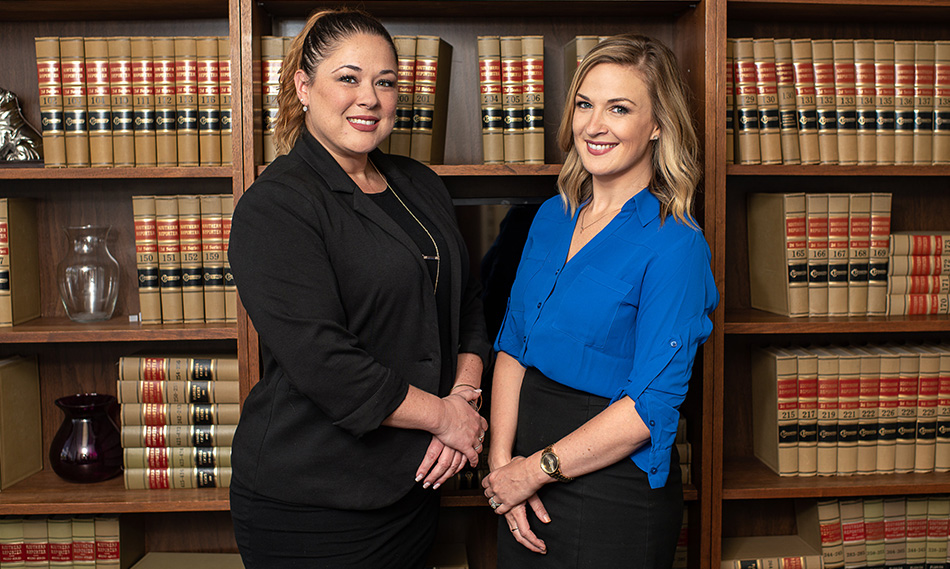
As a sister-owned, family-operated firm and a WBENC-certified women-owned business, we bring a client experience that reflects our values. We treat the people who come to us with the same care we’d want for our own family, with honest assessments, clear cost-benefit analyses, and consistent updates throughout the planning process.
We offer same-day appointments and scheduling outside regular business hours for clients who can’t wait, and services are available in Spanish. Our attorneys are members of the Jacksonville Bar Association, the St. Johns Bar Association, and the Jacksonville Women Lawyers Association, and we’re admitted to practice in the U.S. District Court for the Middle District of Florida.
What To Expect When You Work With Us On Your Will
Understanding the process can make it easier to take the first step toward putting a will in place. When you meet with us, we walk you through each stage so you know what information to gather, what decisions you will be asked to make, and how long each step typically takes. This helps reduce stress and gives you a clearer picture of how your planning will move from the first conversation to a signed, legally valid document.
We usually begin with an initial consultation, either in our Jacksonville office or by phone or video, where we learn about your family, assets, and goals. After that meeting, we will prepare a draft tailored to what we discussed and send it to you for review, inviting questions and suggested changes. Once you are comfortable with the terms, we schedule a signing that complies with Florida’s witnessing and notarization requirements, often coordinating with notaries and witnesses in our office so you do not have to arrange those details on your own. After signing, we talk with you about safe storage and how your personal representative will access the document when it is needed.
Because many of our clients have other legal matters with us, such as real estate closings or business issues, we often incorporate will planning into a broader strategy. For example, we might suggest updating a power of attorney at the same time or reviewing beneficiary designations on retirement accounts to make sure they line up with your new plan. By looking at your situation as a whole rather than in isolation, we aim to give you a coordinated plan that works smoothly if your estate ever needs to go through the probate court in Duval County or neighboring jurisdictions.
Florida Requirements for a Valid Last Will & Testament
Florida law sets specific execution requirements for a will to be legally valid. Under Florida Statute 732.501, a testator must be at least 18 years old (or an emancipated minor) and of sound mind at the time of signing. The will must be in writing and signed by the testator in the presence of two witnesses, who must also sign in each other’s presence and in the presence of the testator. While Florida law doesn’t invalidate a will simply because a witness is also a beneficiary, using disinterested witnesses is the better practice and can help guard against challenges based on undue influence.
Florida allows a self-proving affidavit signed by the testator and witnesses before a notary public. This affidavit can eliminate the need for witnesses to appear in court during probate administration, which can simplify the process. A will that doesn’t meet these execution requirements may be invalid, resulting in the estate passing under intestacy law regardless of the testator’s intentions. Florida doesn’t recognize holographic wills; that is, handwritten wills without the required witness signatures. Such a document may have no legal effect regardless of how clearly it expresses the testator’s intent, making a properly witnessed, attorney-drafted document the reliable choice.
When to Create or Update Your Will
A will should be created as soon as a person has assets, dependents, or specific wishes about how their estate should be handled. Major life events that typically warrant a new will or a revision to an existing one include marriage, divorce, the birth or adoption of a child, the death of a named beneficiary or personal representative, a significant change in assets, or a move to Florida from another state.
Reviewing your will every three to five years is a reasonable practice even without a triggering event. One important boundary: a last will and testament doesn’t control assets that pass outside probate. Jointly held accounts, retirement accounts with named beneficiaries, and life insurance proceeds all require separate beneficiary designation reviews. Coordinating your will with a durable power of attorney and healthcare directive can help ensure that someone you trust is authorized to act on your behalf both during incapacity and after death.
Get the help you need from an experienced last will lawyer. Fill out our online form without delay.
Frequently Asked Questions
How Long Does It Take To Prepare and Sign a Will?
The timeline depends on the complexity of your estate and how quickly you make decisions. For many straightforward plans, preparing and signing a will can take a few weeks once information is gathered and drafts are reviewed. More complex estates involving multiple properties, business interests, or other planning concerns may take longer. A last will attorney in Jacksonville can help coordinate the process.
Do I Need a Will If I Already Have a Trust or Beneficiary Designations?
Even if you have a trust or beneficiary designations, a will can remain an important part of your estate plan. A will can address assets not properly transferred to a trust and nominate guardians for minor children. Beneficiary designations generally control certain accounts separately. A last will lawyer can help coordinate these documents, so they work together as intended under Florida law.
Where Should I Keep My Signed Will?
Your signed original will should be stored securely and in a place your personal representative can locate it when needed. Florida law generally requires the original will to be filed with the appropriate court during probate. Tell your personal representative where the original is kept and how to access it. A last will lawyer in Jacksonville can explain practical storage options and help ensure your documents are properly executed.
Can I Change My Will Later If My Circumstances Change?
You can generally change your will while you have the legal capacity to do so. Florida law requires specific execution formalities for wills and certain amendments, so handwritten changes or informal additions may not be effective. Updates may involve creating a new will or, when appropriate, a codicil. A last will attorney can review your circumstances and help determine the appropriate approach.
For dedicated legal assistance, connect with our qualified last will attorney. Contact (904) 454-4881 to arrange your consultation right away.

Why Choose Edwards & Edwards, P.A.?
-
Over 65 Years of Combined Experience
-
Wide Range of Legal Services Available
-
Responsive to Client Communication
-
Sister-Owned Firm, Entirely Run by Women

-
 Real Cases. Real Results.Hear from our past clients and their experiences.
 -
Client TestimonialsDiscover how we’ve made a difference in the lives of our clients.
-
Join Our TeamView our Open positions and apply.
-
Stay InformedRead our blog to stay in the know.




Partner with a certified, women-owned business recognized nationally for its dedication, expertise, and commitment to outstanding service.