Jacksonville Trust Administration Lawyer
Clear Guidance When You Become a Trustee
Being named trustee for a loved one’s trust can feel like a lot to carry, especially when you are also grieving or managing other family responsibilities. You may be reading through dense legal documents, fielding questions from relatives, and wondering what Florida law actually expects from you. You do not have to figure it out alone.
At Edwards & Edwards, P.A., we help trustees and families understand what the trust requires, what Florida statutes require, and how to move forward in a way that is fair, transparent, and practical. Our attorneys bring over 65 years of combined legal experience to each matter, and our firm has deep roots in the Jacksonville legal community.
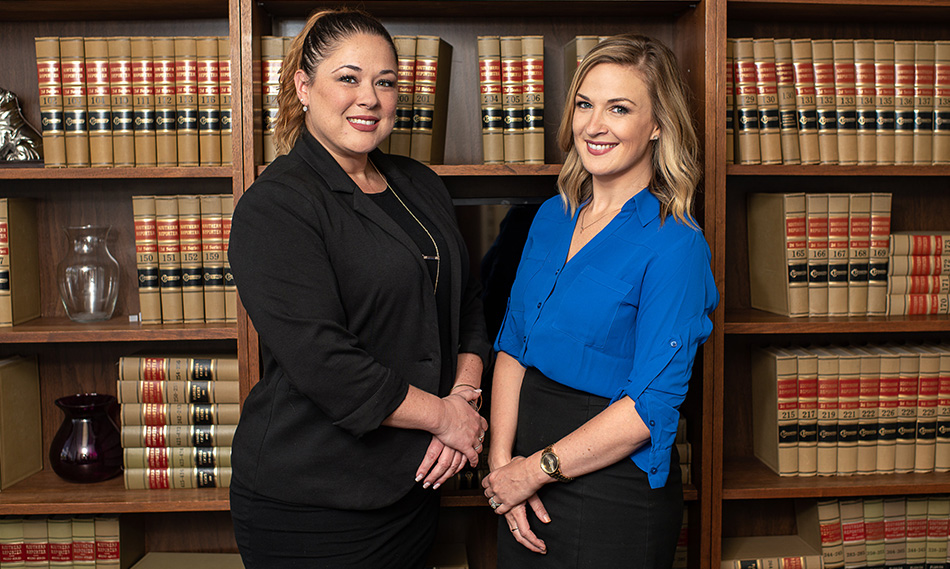
As a sister-owned, family-operated law firm run entirely by women, we focus on both the legal details and the family dynamics behind every trust. Our goal is to restore your confidence, give you a clear plan, and stand beside you through every stage of administration.
If you have been named trustee and are unsure what steps to take next, speak with an experienced trusts administration attorney in Jacksonville for practical guidance. Contact us or call (904) 454-4881 to discuss your responsibilities and create a clear plan for administering the trust.
Guidance For Florida Trustees
The moment you step into a trustee or successor trustee role, you take on fiduciary duties under Florida law. Those duties generally include following the terms of the trust, acting in the best interest of all beneficiaries, managing and protecting trust assets, and providing information and accountings when required. These obligations can feel intimidating if you have never been through the process before.
Courts in the Fourth Judicial Circuit, which includes Duval County, look closely at whether trustees have been prudent, honest, and communicative. You may need to notify beneficiaries, gather information about accounts and property, and review any related estate planning documents, such as a pour-over will that may require probate in Duval County.
If you have just become a trustee, helpful first steps often include:
- Collecting the full trust document and any amendments, so you know exactly what it says.
- Identifying all trust assets, such as bank accounts, investment accounts, and real estate in Jacksonville or elsewhere in Florida.
- Securing property and important records so nothing is lost, damaged, or sold without proper authority.
- Keeping detailed records of every expense and distribution from the beginning of your service.
- Reaching out to a trusts administration lawyer in Jacksonville to understand your duties before you act.
When we meet with new trustees, we listen to what has already happened and then walk through these steps in more detail. Our attorneys explain which actions are urgent, which can wait, and how to communicate with beneficiaries in a way that promotes trust instead of conflict.
Trust Administration vs. Probate in Florida
Assets held in a properly funded trust generally pass outside of probate. This can mean no formal probate court filing, no public record of the estate’s contents, and a potentially faster path to asset distribution than the formal probate process might require. For Jacksonville residents who want to keep their estate affairs private and reduce the administrative burden on their families, a funded trust can be a significant advantage.
That said, trust administration is not without its own responsibilities. The trustee must still follow the Florida Trust Code, communicate with beneficiaries, and document the entire process. Professional legal guidance from a trusts administration attorney in Jacksonville can help increase the likelihood that those obligations are met correctly from the start.
The Trust Administration Process in Florida
Trust administration generally follows a sequence of responsibilities that begins when the trust creator passes away or becomes incapacitated. The process is private, meaning it takes place outside the Duval County probate court system, but it is not without structure or legal standards.
The successor trustee’s responsibilities typically include the following steps, though the trust document’s specific terms control how and when each is carried out:
- Asset identification and retitling: Identifying all trust assets, including real estate and financial accounts, and retitling them in the trustee’s name as successor trustee
- Beneficiary notification: Providing the required written notice to beneficiaries and interested persons under Florida law
- Debt and tax resolution: Paying the decedent’s outstanding debts, expenses, and tax obligations before distributions can be made
- Trust accounting: Maintaining a detailed accounting of all trust income, expenses, and transactions throughout administration
- Asset distribution: Distributing remaining trust property to beneficiaries according to the trust document’s terms
Complex trusts holding real estate, business interests, or investment portfolios may require additional legal, accounting, or appraisal coordination before distributions can be completed. The timeline for straightforward trusts may be measured in months, while more complex estates can take considerably longer. Working with a trusts administration lawyer in Jacksonville can help you understand what to expect in your particular situation.
How Our Team Supports Trust Administration
Trust administration often involves more than distributing assets. Trustees may need to manage family concerns, comply with Florida law, and make important financial decisions along the way. At Edwards & Edwards, P.A., we help you understand your responsibilities and create a practical plan for moving forward.
We assist trustees with:
- Reviewing trust documents and explaining trustee duties
- Identifying and valuing trust assets
- Paying valid debts and expenses
- Planning and coordinating beneficiary distributions
- Preparing accounts and required records
- Addressing related probate, real estate, or business matters
- Responding to beneficiary questions and concerns
As a full-service Jacksonville law firm, we can help when trust administration intersects with probate proceedings, real estate transfers, or closely held business interests. Throughout the process, we provide clear communication, regular updates, and practical guidance designed to help you meet your obligations, protect yourself as trustee, and administer the trust efficiently.
Common Trust Administration Issues
Every trust is different, but certain challenges arise again and again for trustees in Jacksonville and throughout Northeast Florida. Understanding these issues in advance can make you better prepared and help you recognize when it is time to seek legal guidance.
One frequent situation involves trusts that hold a family home or rental property in Duval County. A trustee may need to decide whether to sell the property, transfer it to one or more beneficiaries, or continue to manage it as a rental. Each option has legal, tax, and practical consequences. Our attorneys work with trustees to review the trust language, evaluate the condition and value of the property, and coordinate with the Duval County Clerk of Courts if deeds or other documents must be recorded.
Trusts also often intersect with probate. For example, a pour-over will may direct remaining assets into the trust after a probate proceeding in the appropriate court. We help clients understand when probate is required, how the probate timeline interacts with trust distributions, and how to communicate this to beneficiaries who may be expecting faster access to funds.
Family conflict is another common challenge. Siblings may disagree about whether an asset should be sold, how much information they are entitled to, or whether a particular expense benefits all beneficiaries. In some cases, long-standing family tensions surface once money and property are involved. We work with trustees to create clear, written communications, maintain thorough records, and consider when it may be appropriate to seek court guidance or mediation before disputes escalate.
Out-of-state trustees face additional complexities. If you live elsewhere but administer a trust that includes Florida assets, you may need more visibility into local procedures and timelines. Our attorneys can help you navigate requirements tied to Duval County processes, Florida statutes on trustees, and local recording practices, while we handle much of the on-the-ground work here in the area.
Throughout all of these issues, we draw on our involvement in the Jacksonville Bar Association, St. Johns Bar Association, and Jacksonville Women Lawyers Association. Our familiarity with the local legal environment informs how we structure trust administration strategies and how we anticipate potential challenges before they turn into formal disputes.
Trustee Duties & Personal Liability Under Florida Law
Florida Trust Code, Chapter 736 of the Florida Statutes, generally governs how trusts administered in Florida must be managed. It addresses trustee duties, powers, and the rights of beneficiaries. Understanding what it requires is important for any successor trustee before taking administrative action.
Key Trustee Obligations Under Chapter 736
Several statutory provisions directly shape how a successor trustee is expected to operate:
- Good faith administration: Under Florida Statute 736.0801, a trustee should administer the trust in good faith, in accordance with its terms, purposes, and the interests of the beneficiaries.
- Recordkeeping and no commingling: Florida Statute 736.0810 calls for trustees to keep clear, distinct, and accurate records of all trust activity and prohibits mixing trust assets with the trustee’s personal property.
- Protection of successor trustees: Under Florida Statute 736.08125, a successor trustee is generally not personally liable for actions taken by any prior trustee, and there is no automatic duty to institute proceedings against a prior trustee upon assuming the role, although a reasonable review of the prior trustee’s conduct may still be appropriate.
- Contesting the trust: Under Florida Statute 736.0604, a challenge to a trust’s validity may be barred if it is not commenced within six months after the trustee sends the person a copy of the trust instrument along with notice of the trust’s existence, the trustee’s name and address, and the time allowed for commencing a proceeding.
Trustees who fail to meet their fiduciary duty under Chapter 736 may face personal exposure if the trust suffers losses as a result. This potential liability is one of the most significant risks a trustee faces when proceeding without legal guidance from a trusts administration attorney in Jacksonville.
Working With A Jacksonville Trust Lawyer
If you are considering working with a trusts administration attorney in Jacksonville, it can help to know what to expect from the process. During an initial consultation with Edwards & Edwards, P.A., we typically review the trust document, discuss your role and what has already occurred, and outline the immediate next steps. We also identify any related matters, such as a possible probate case or real estate that needs attention.
We will let you know which documents are helpful to bring, such as copies of the trust, any wills, recent financial statements, and a list of known beneficiaries. By the end of the meeting, our goal is for you to have a clearer understanding of your duties, a proposed plan for moving forward, and a sense of how communication with beneficiaries might be handled.
When you hire our firm, you work with a team that values preparation and transparency. Our attorneys explain our fee structure in plain terms and provide financial estimates tied to the anticipated work. We also discuss how different choices, such as selling or retaining certain assets, may affect both administration costs and the long-term stability of the trust.
We know that not every trustee lives in Jacksonville. If you are out of the area, we can often meet by phone or video and coordinate document exchange electronically. When court appearances or in-person signings are needed within Duval County, our attorneys handle those locally and keep you informed. Throughout the matter, we work to provide personalized recommendations at each step so you are not left guessing what comes next.
Working with a trusts administration lawyer in Jacksonville is about more than compliance. It is about feeling supported, understanding your options, and having a steady resource to turn to when questions or conflicts arise. Our firm is committed to helping you administer the trust in a way that honors your loved one’s intentions and protects your position as trustee.
Call (904) 454-4881 now to speak with a seasoned trust administration attorney about protecting yourself as a trustee and complying with Florida trust laws.
Frequently Asked Questions
What does a trustee have to do in Florida?
A trustee in Florida must follow the trust’s terms, manage assets prudently, and act in the best interest of all beneficiaries. Duties often include safeguarding property, paying valid expenses, keeping records, and providing information or accountings when required. We help you understand how these general rules apply to your specific trust.
Do I Need an Attorney to Administer a Trust in Florida?
Florida does not require an attorney for trust administration, but trustees who proceed without legal counsel risk personal liability for errors in recordkeeping, tax compliance, or distribution timing. Under Chapter 736, those mistakes can lead beneficiaries to seek relief that may include restoration of losses to the trust from the trustee’s personal funds. Legal guidance at the outset is generally far less costly than addressing a problem after the fact.
How Long Does Trust Administration Take in Florida?
The timeline depends on the complexity of the trust assets, whether disputes arise among beneficiaries, and how quickly tax obligations can be resolved. A straightforward trust with liquid assets may be administered in a matter of months. Trusts holding real estate, business interests, or contested claims can take a year or longer. An attorney familiar with Florida trust law can help identify what is likely to affect the timeline in your specific situation.
Can a Trust Avoid Probate in Jacksonville?
Yes. Assets held in a properly funded revocable living trust generally pass outside of the Duval County probate process. This is one of the primary reasons some Jacksonville residents work with a trusts administration attorney in Jacksonville to include a trust in their estate plan. The trust must be properly funded during the trust maker’s lifetime for the probate avoidance benefit to apply at death.
What Happens if a Trustee Mismanages Trust Assets?
Under Chapter 736, Florida Statutes, beneficiaries may bring a legal action against a trustee for an alleged breach of fiduciary duty. Florida courts may require the trustee to restore any proven losses caused by the breach from their own personal funds, and the trustee may also be removed and replaced. These potential consequences make it critical for any successor trustee to understand their obligations before taking administrative action.
What if I live outside Jacksonville?
Many trustees live in another city or state while administering a trust that holds Jacksonville or other Florida assets. We assist out-of-town trustees, handling local tasks in Duval County and with area institutions, while keeping you informed through phone, video, and secure document exchange.
How do your attorneys charge for trust work?
Our firm generally charges for trust administration based on the time and work involved, rather than a percentage of the trust. During your consultation, we discuss likely tasks, provide financial estimates, and review cost-benefit considerations so you understand how legal fees relate to the trust’s needs.
Talk With Our Trust Administration Lawyer Team About Your Trustee Role
If you are feeling the weight of a new trustee role or an ongoing trust that has become more complicated than expected, speaking with a local trust attorney can bring clarity. A focused conversation often turns a confusing list of obligations into a manageable plan with concrete next steps.
At Edwards & Edwards, P.A., we combine decades of experience, a full-service practice, and strong Jacksonville roots to support trustees and families through each stage of administration. We strive to offer steady guidance, flexible scheduling, and clear communication so you feel informed and supported from the first meeting through final distributions.
Get answers to your trust administration questions right away. Contact a qualified trusts administration lawyer in Jacksonville via online form and learn how we can help you navigate each stage of the process with confidence.

Why Choose Edwards & Edwards, P.A.?
-
Over 65 Years of Combined Experience
-
Wide Range of Legal Services Available
-
Responsive to Client Communication
-
Sister-Owned Firm, Entirely Run by Women

-
 Real Cases. Real Results.Hear from our past clients and their experiences.
 -
Client TestimonialsDiscover how we’ve made a difference in the lives of our clients.
-
Join Our TeamView our Open positions and apply.
-
Stay InformedRead our blog to stay in the know.




Partner with a certified, women-owned business recognized nationally for its dedication, expertise, and commitment to outstanding service.